
Asia · Japan
Kyoto
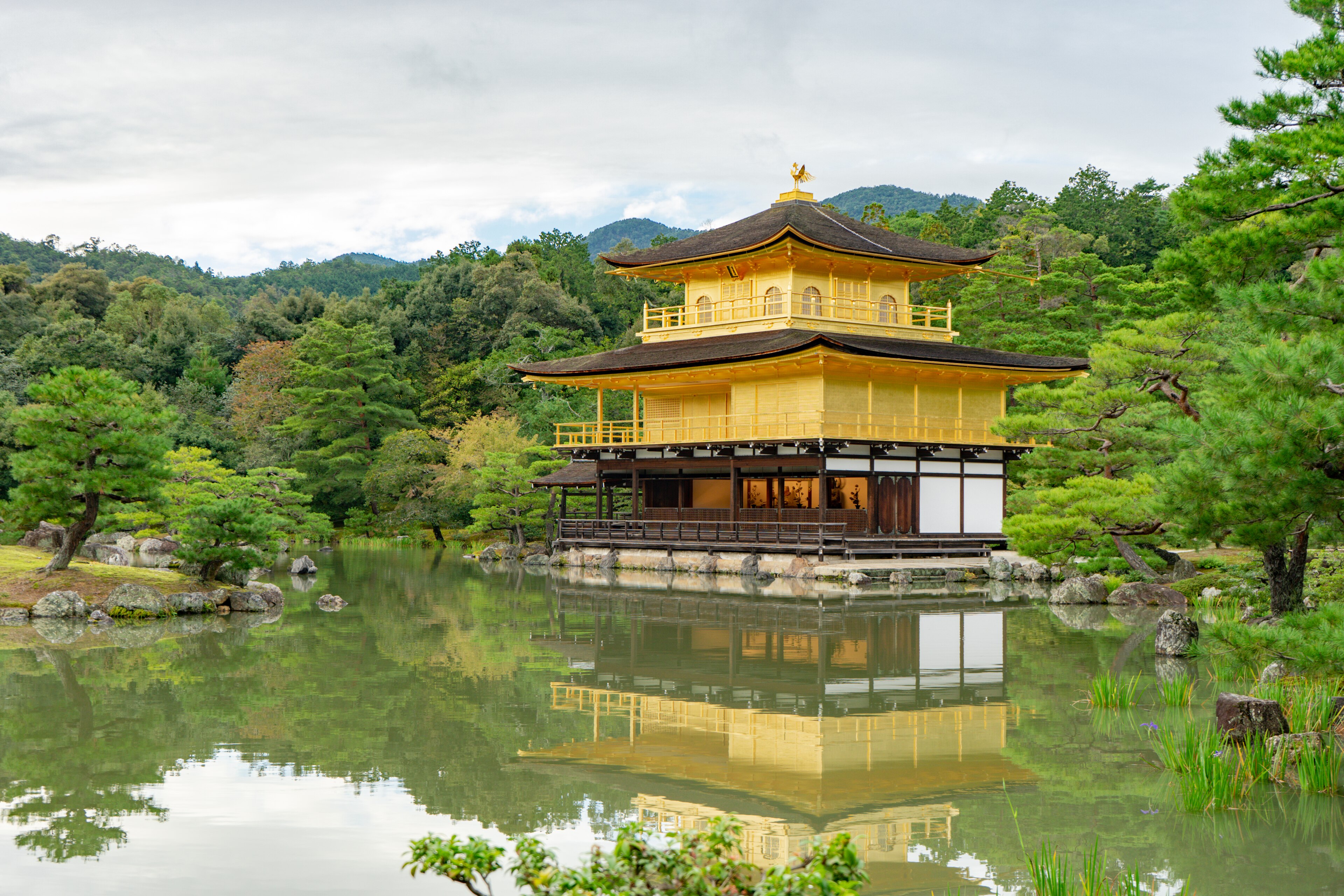
Japan's former imperial capital and its most serious food and craft city — the density of centuries-old temples, gardens and kaiseki restaurants has no real equivalent elsewhere in the country.
Kyoto is Japan's craft and kaiseki capital, and the hotel decision is how much temple density you want outside the door versus how much garden silence you want inside the property. Central Kyoto puts you near stations, shopping, and a lot of other visitors. Northern and temple-adjacent stays trade transfer time for a quieter night. The city rewards guests who treat the hotel as a base for early temple walks and long dinners, not as a resort with a pool schedule.
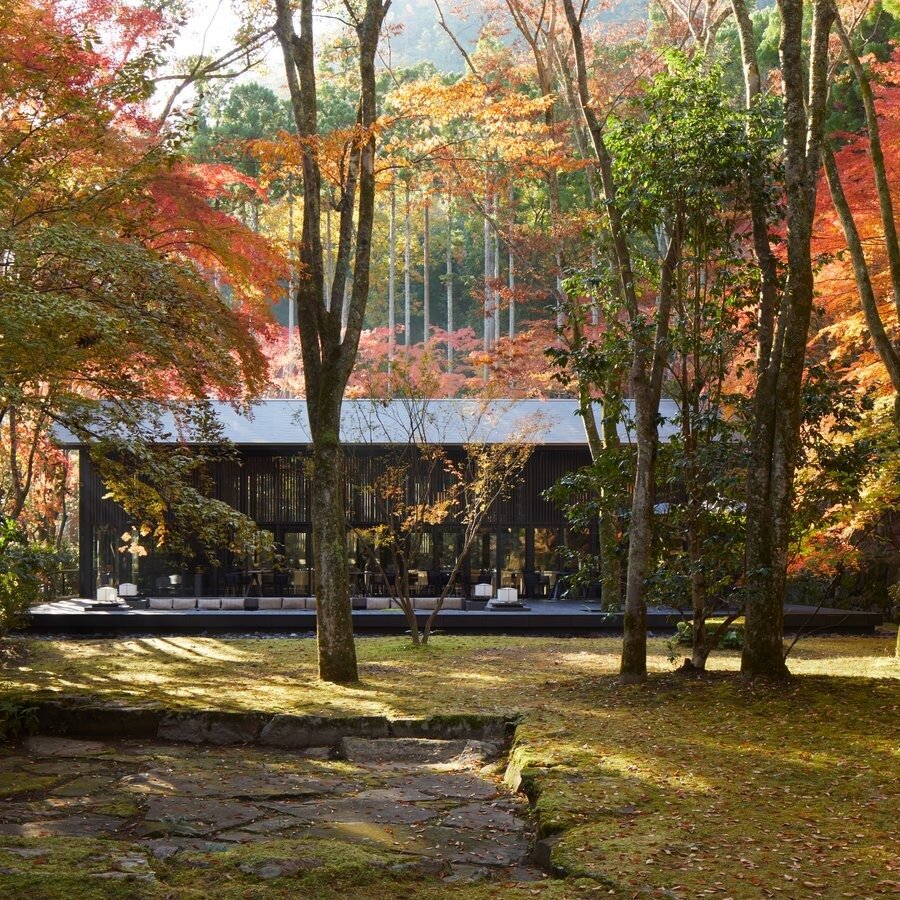
Aman Kyoto is the garden argument: rooms set through forest paths rather than corridors, Kerry Hill's late work, and a stay where the grounds are the destination. Book it when you will be unhappy if the property feels like a tower. Four Seasons Hotel Kyoto and The Ritz-Carlton, Kyoto are the larger city-palace options with more dining and room inventory for travellers who need operational breadth. Hoshinoya Kyoto and the better ryokan listings (Hiiragiya, Tawaraya) are the traditional hospitality track: fewer Western suite expectations, more seasonal dining and room service grammar.
Season defines the trip. Cherry blossom and autumn foliage are not footnotes. They are inventory and price events. Midsummer heat and peak festival weeks change how much walking you will actually do. Shoulder periods with good weather and thinner crowds are the rational default unless blossom or momiji is the point. See timing.
Do not book Kyoto as a quiet alternative to Tokyo and then fill every day with coach-route temples. Leave empty afternoons. The hotel only works if you use it. For the Aman fork, read Aman Kyoto vs Aman Tokyo. For desert-vs-garden landscape travellers, Aman Kyoto vs Amangiri is the cross-category version.
Use the cards below as a shortlist of properties we actually cover. Start with garden vs riverside vs downtown, then brand. Kyoto is not a place where "any five-star" survives a bad location choice.
Kaiseki and temple calendars should drive the booking as much as the hotel brand. If you need a specific chef counter or a dawn visit before gates fill, tell the hotel before you land. Properties with serious in-house dining (Aman, Four Seasons, the better ryokan) reduce how often you fight taxis after dark. Guests who treat Kyoto like a checklist city burn out by day three. The cards below are strongest when you leave white space in the itinerary.
Kyoto hotel FAQ
- How many ultra-luxury hotels are in Kyoto?
- Hotel Flock has reviewed 10 ultra-luxury properties in Kyoto, Japan.
- Where is Kyoto?
- Kyoto is in Japan, covered in our Asia region.
- Why visit Kyoto for ultra-luxury hotels?
- Japan's former imperial capital and its most serious food and craft city — the density of centuries-old temples, gardens and kaiseki restaurants has no real equivalent elsewhere in the country.
- What types of luxury hotels are in Kyoto?
- Properties in Kyoto span City, Countryside categories in our guide.
- Which hotel brands operate in Kyoto?
- Brands with reviewed properties in Kyoto include Aman, Capella Hotels and Resorts, Four Seasons, Independent, Hoshinoya, Park Hyatt, Six Senses, The Ritz-Carlton.
- When is the best time to book hotels in Kyoto?
- Peak season, local events, and suite availability move rates quickly in Kyoto. Book once your dates are firm, and read each property's overview for seasonal notes before committing.
In the guide
Ultra-luxury hotels in Kyoto
 City
CityAman
Aman Kyoto
Kyoto, Japan
 City
CityCapella Hotels and Resorts
Capella Kyoto
Kyoto, Japan
 City✦ FLOCK 500
Four Seasons
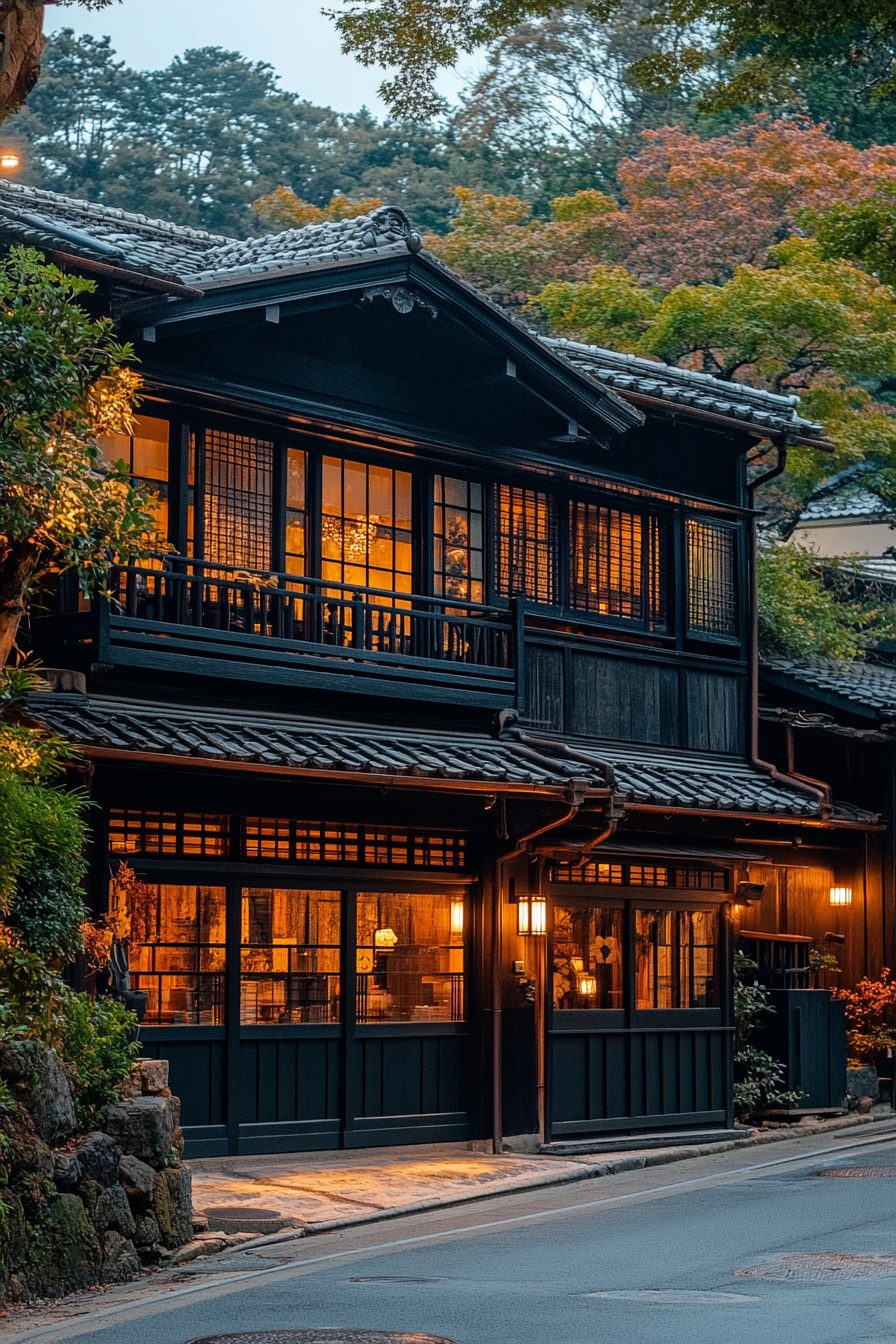
Four Seasons Hotel Kyoto
Kyoto, Japan
 City
CityIndependent
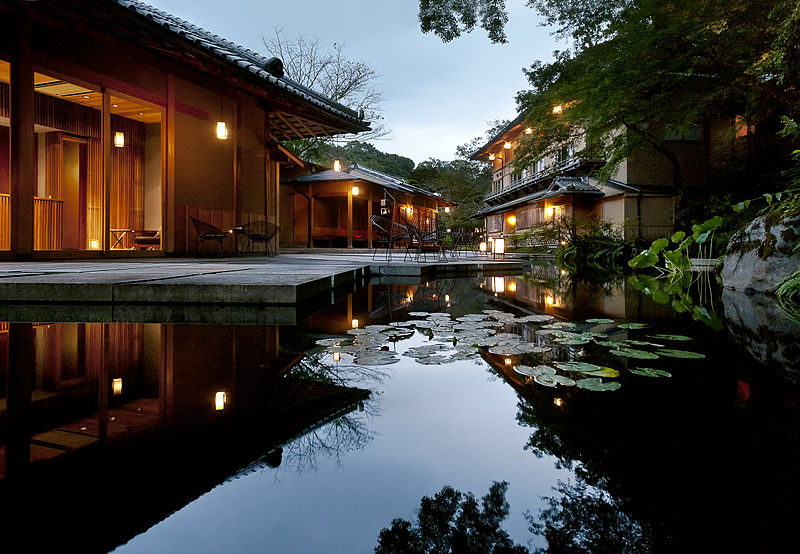
Hiiragiya Ryokan
Kyoto, Japan
 Countryside✦ FLOCK 500
Hoshinoya
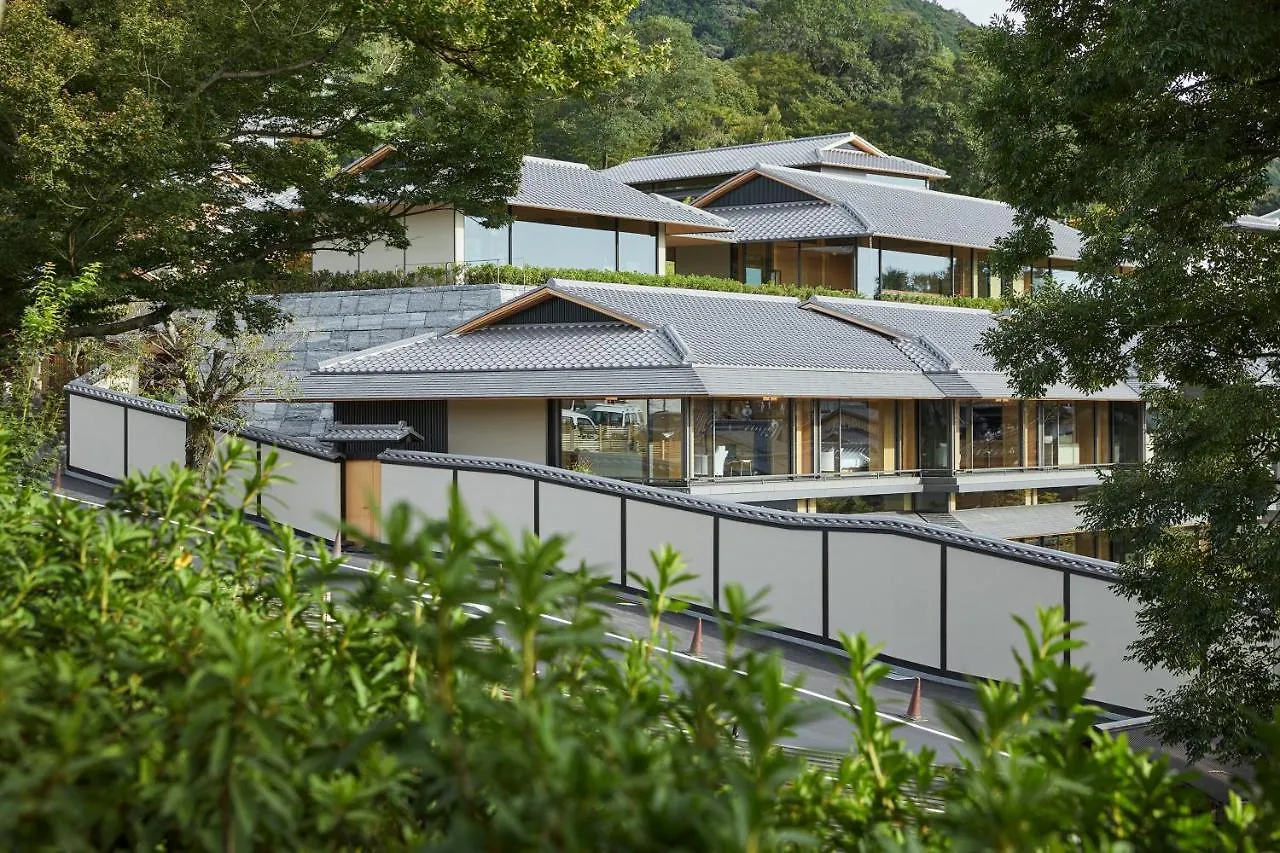
Hoshinoya Kyoto
Kyoto, Japan
 City
CityPark Hyatt
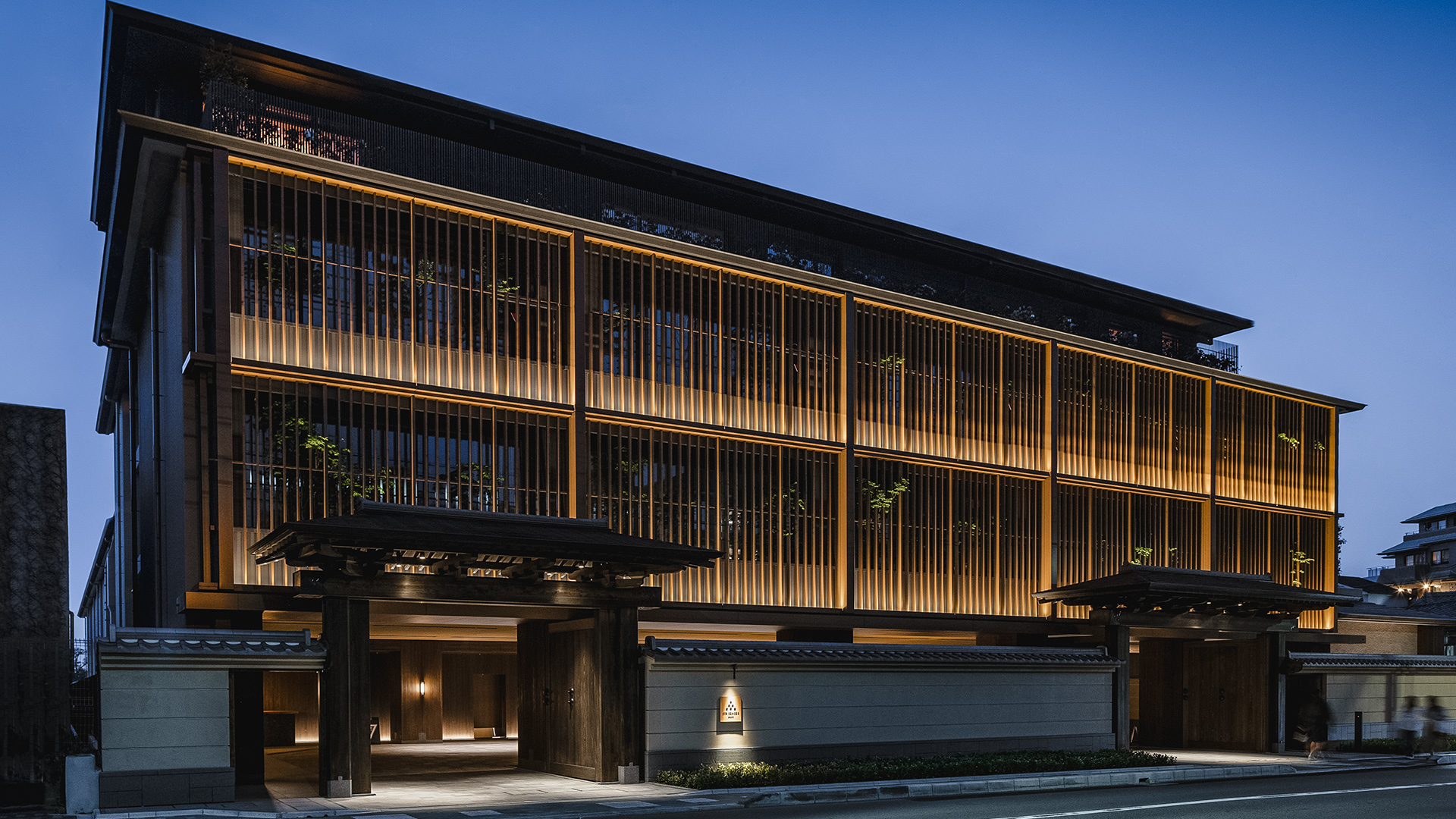
Park Hyatt Kyoto
Kyoto, Japan
 City✦ FLOCK 500
Six Senses
Six Senses Kyoto
Kyoto, Japan
 City
CityIndependent
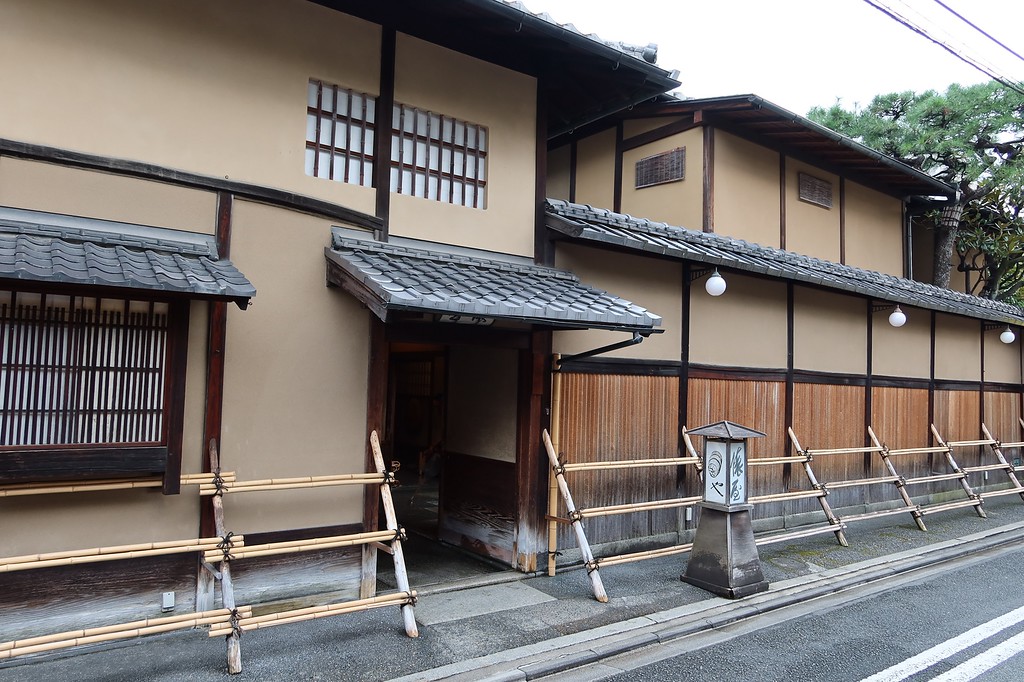
Tawaraya Ryokan
Kyoto, Japan
 City✦ FLOCK 500
Independent
The Mitsui Kyoto, a Luxury Collection Hotel & Spa
Kyoto, Japan
 City✦ FLOCK 500
The Ritz-Carlton
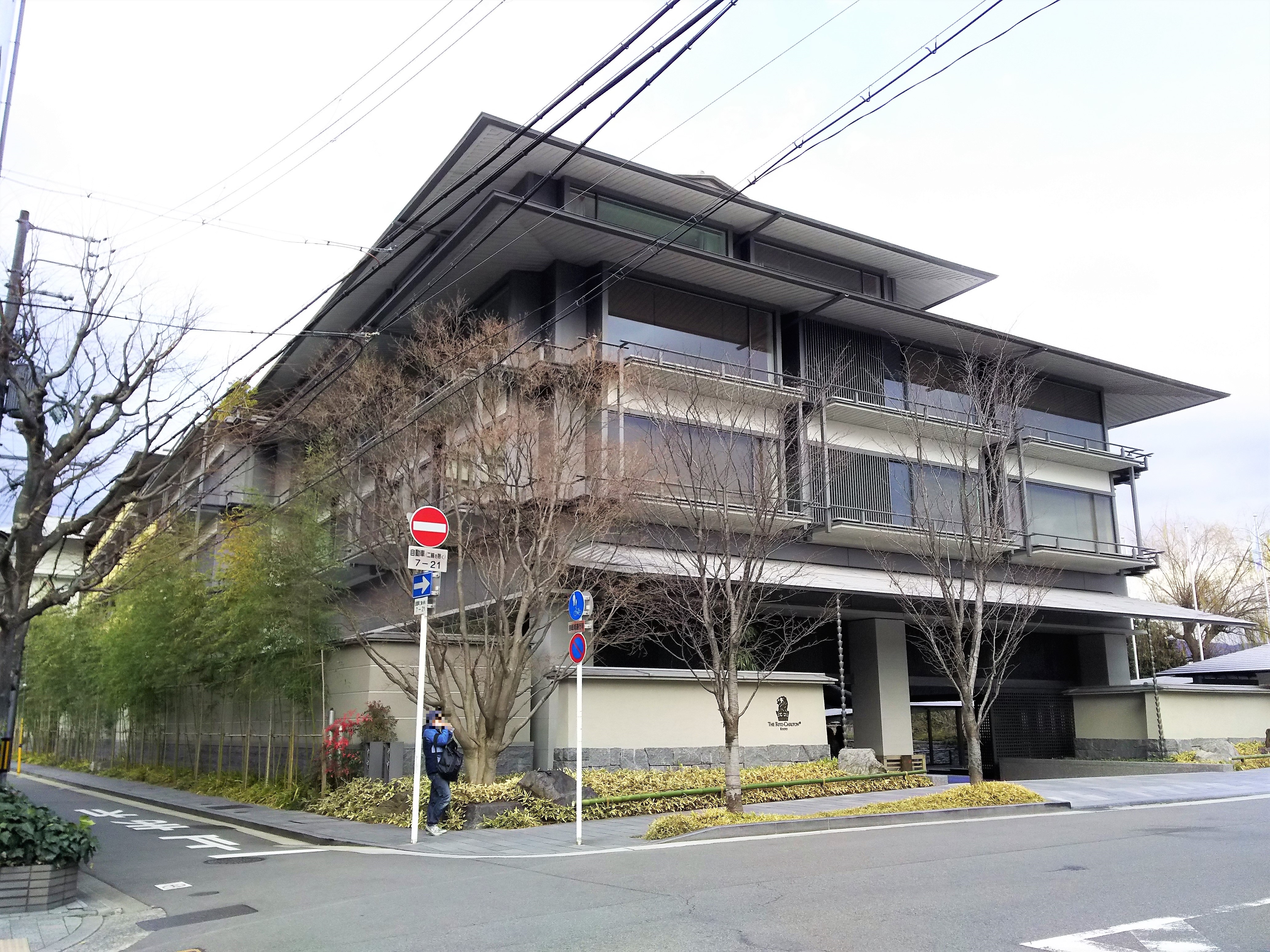
The Ritz-Carlton, Kyoto
Kyoto, Japan