
September 13, 2026
Dorchester Collection's CEO Is Rejecting Cookie-Cutter Luxury, Hotel by Hotel
Philippe Leboeuf wants firmer group standards across Dorchester Collection without cloning icons like The Dorchester or The Beverly Hills Hotel.
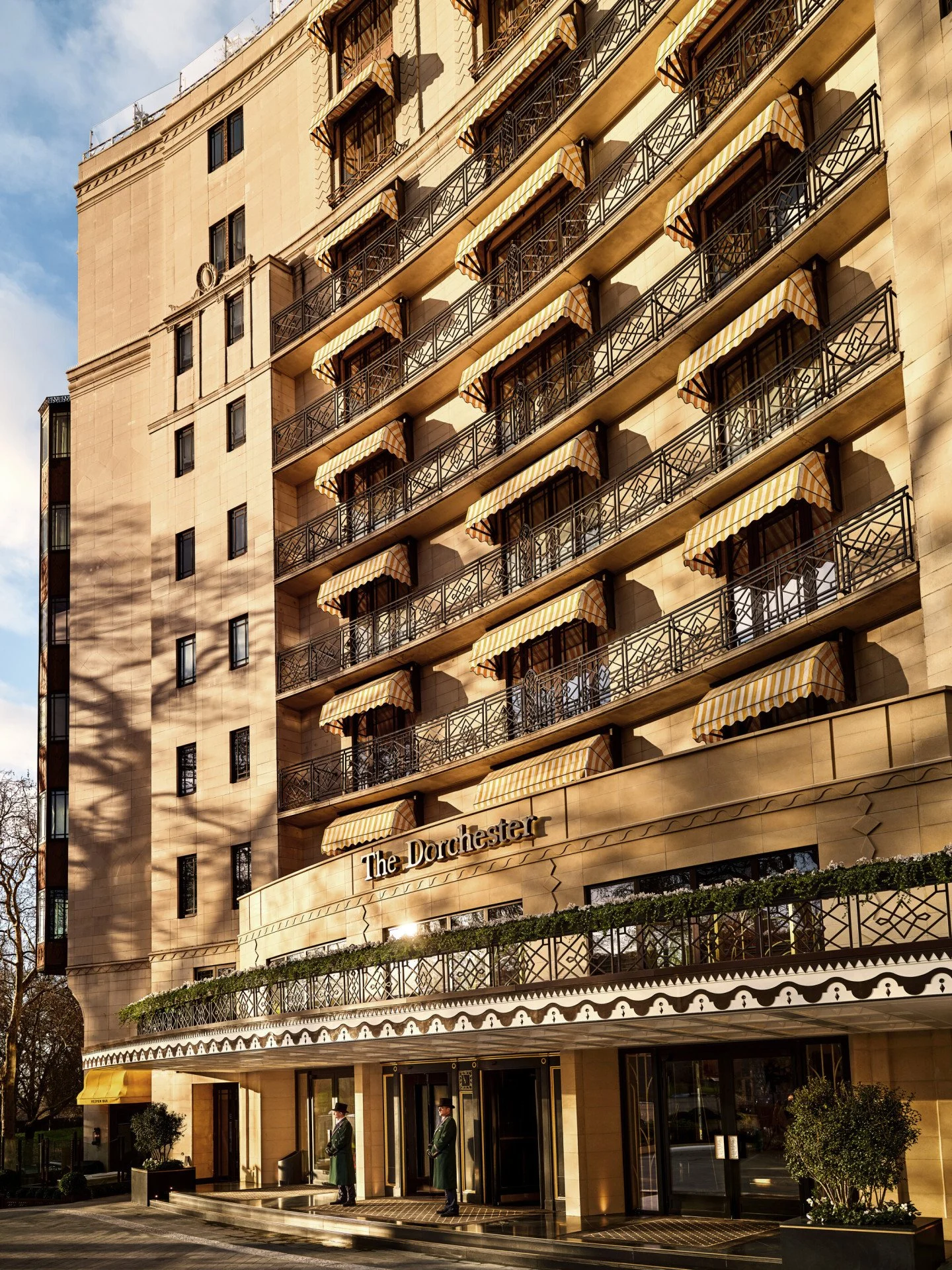
Dorchester Collection CEO Philippe Leboeuf is tightening group-wide basics while refusing a uniform guest experience across his small palace portfolio. In a Skift interview published September 11, he framed the job as consistency without cloning: guests should feel the same reliability at The Dorchester, Hôtel Plaza Athénée, and The Beverly Hills Hotel, without walking into the same hotel three times.
That stance matters for travelers who book Dorchester properties precisely because each address still feels local. Leboeuf, a former Claridge's general manager who later opened Raffles London, is pushing firmer baseline standards while keeping general managers free to reflect their markets. The group also operates Hotel Bel-Air and the newer The Lana in Dubai, a contemporary addition that sits beside century-old icons.
Why guests should care about the cookie-cutter fight
Ultra-luxury travelers increasingly notice when a brand's rituals travel intact from city to city. Leboeuf is betting the opposite: keep the service grammar consistent, leave the personality to each house. Dorchester has worked with guest research partners, including an anthropologist, to understand what regulars emotionally return for versus what they quietly want modernized. The goal is fewer soft failures on the basics, not a single design language pasted across London, Paris, and Los Angeles.
He also signaled a philosophical push away from nickel-and-dime add-ons that make a stay feel like configuring a car. The comparison he uses is buying a BMW and paying for every option. For guests, that points toward fewer petty charges and more graciousness baked into the rate, not a menu of micro-extras that chip at the illusion of abundance.
People continuity during the Dubai downturn
Dorchester's people-first instinct showed up commercially when Dubai demand softened. Instead of cutting staff at The Lana, the group redeployed people to hotels in Paris and Milan. When demand recovered, the Dubai house could restart without rebuilding a service team from scratch. For guests, that continuity is the difference between a hotel that still knows its regulars and one that is retraining through every cycle.
The Beverly Hills Hotel's Turn Left chapter
Leboeuf's standardization-without-flattening brief lands as The Beverly Hills Hotel prepares its largest social-space expansion in decades. The "Turn Left" project, creative-directed by Ken Fulk with IBV Architecture, will open new public rooms to the left of the lobby's red-carpet entrance this fall. Planned venues include a supper club with live entertainment, a lobby café, veranda seating, a private screening room, and a small private dining room. The Polo Lounge, Fountain Coffee Room, and Cabana Cafe stay as they are.
For guests of the Pink Palace, that is the practical test of Leboeuf's thesis: can Dorchester add modern gathering spaces without sanding down the hotel's Hollywood gravity? If Turn Left feels like a natural wing of the Beverly Hills Hotel rather than a brand template, the anti-cookie-cutter line will have a concrete address on Sunset Boulevard.
Dorchester remains deliberately small, with roughly a dozen hotels and a Tokyo debut still years out. In a luxury pipeline crowded with lookalike openings, that restraint is the guest-facing story. You are not buying a flag that repeats. You are buying a house that is supposed to stay itself.
More news
- Equinox Opens Its First Hotel Outside the US at AMAALA on the Red SeaRead →
- Anantara Siam Bangkok Finishes a $50 Million Rebuild of Every GuestroomRead →
- Four Seasons Bali at Sayan Opens Seven Riverside Suites Above the AyungRead →
- This Luxury Hotel Owner Is Replacing Its Whole Board. Its Top Shareholder ObjectsRead →