
August 29, 2026
Dubai's Hotel Recovery Has a New Date, and It's Further Out Than Operators Hoped
S&P does not expect Dubai occupancy to return to pre-conflict levels before the end of 2027, even as developers keep adding branded residences.
S&P now expects Dubai hotel occupancy to stay below pre-conflict levels until after 2027, a timeline that stretches well past what most operators in the emirate were planning for. Regional demand has not snapped back the way it did after previous shocks, and international arrivals remain the missing piece.
That has not slowed the building. Dubai's branded residences pipeline stands at roughly 31,300 units, and the UAE serviced apartment market is forecast to grow at about 11.8% annually through 2031. Developers are underwriting a recovery that the ratings agencies have not yet penciled in.
The long-stay hedge
UK-based Cheval Collection is one of the companies betting on the gap. Daniel Johansson, its director of development and acquisitions, told Skift the group wants to double its portfolio from its current 16 projects, with the Middle East as the main driver. Its Dubai entry came through conversions at The Palm and Expo City, both serviced apartments aimed at medium- and long-stay guests, and it moved into branded residences in April with a Dubai Islands project due in 2029. Saudi Arabia expansion will come through new builds, with sites under review in Jeddah, Madinah and Makkah.
The pitch is that a mixed short- and long-stay model insulates an operator from swings in international arrivals. Analysts are more cautious, pointing out that serviced apartments hold occupancy during shocks largely by giving up rate.
What it means at the top of the market
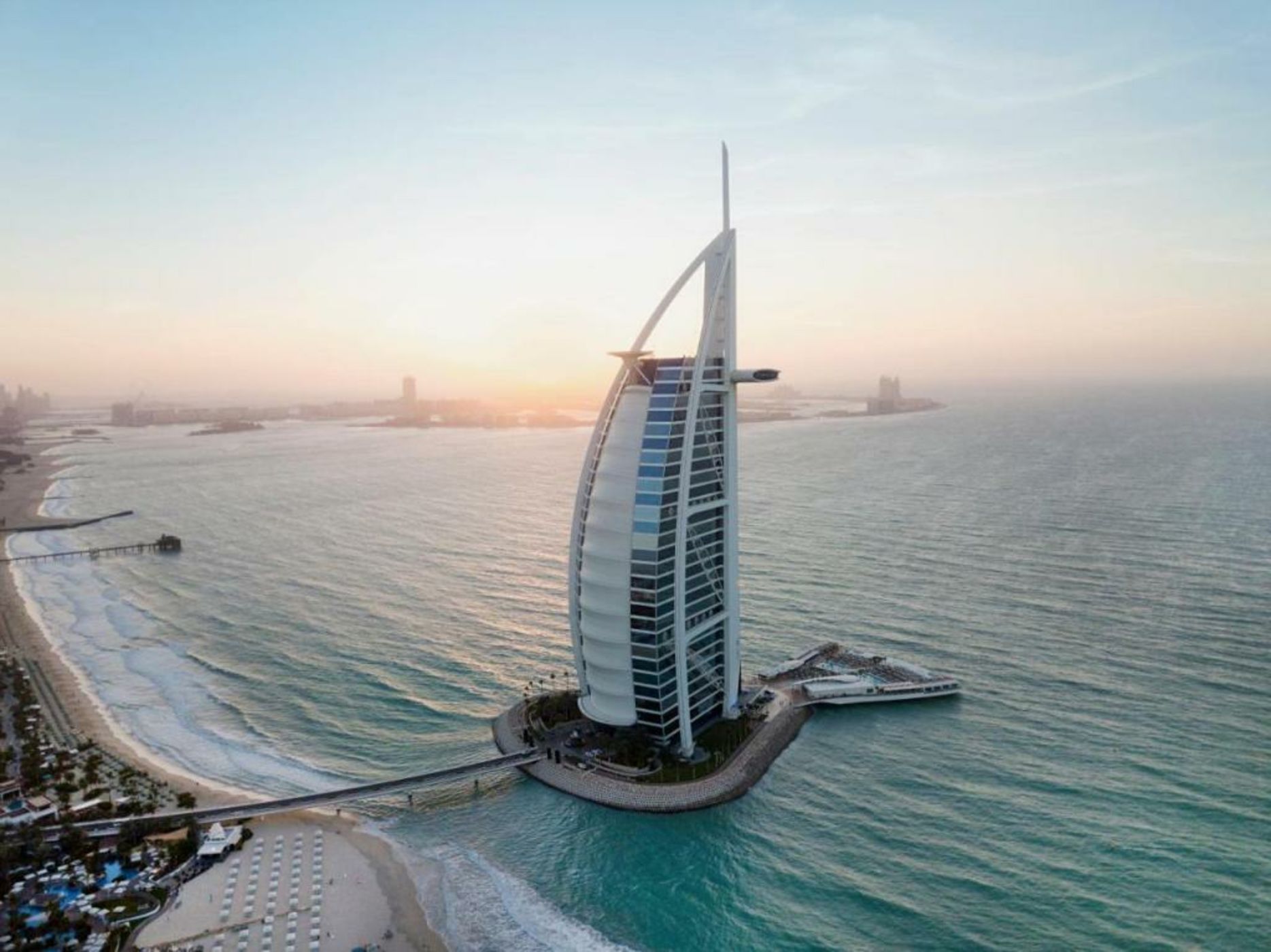
Dubai's ultra-luxury cluster is unusually deep, and it absorbs these cycles differently. Properties like Burj Al Arab Jumeirah, One&Only One Za'abeel, Atlantis The Royal and The Lana draw from a narrower, less price-sensitive pool than the mid-market, and several Dubai hotels have used the softer period to pull forward renovations they had already scheduled. Jumeirah and its peers are effectively trading a weak year for a better product when demand does return.
The risk in a two-year wait is supply. If the branded residence and serviced apartment pipelines land on schedule while occupancy is still recovering, rate pressure arrives before the guests do.
More news
- Park Hyatt Riviera Maya Opens December 3 as the Brand's First All-InclusiveRead →
- Waldorf Astoria Kuala Lumpur Unveils La Prairie Spa Before October 30 DebutRead →
- The Observatory Opens October 30 as Viceroy's Sun Valley Dark-Sky HotelRead →
- Copacabana Palace Opens Latin America's First Dior Spa on November 3Read →